Saturday, February 19, 2011

Saturday's Hive Inspection

While on a Saturday morning walk, we took a peek at the bees. The bees were coming and going from all of the hives, their pollen baskets loaded with bright yellow pollen. Henbit is starting to bloom along the roadsides, and we may have maples blooming, but the pollen surprised us. What we saw inside the hives -- masses of bees on the tops of the frames -- *seemed* to be the common signal that the bees were out of honey and couldn't climb any higher in their search.  In the hives where we'd put a pollen patty, they were covering the supplemental food source. Of special concern was Hive 1, our strongest hive thus far.  If they didn't have any food, we'd lose our top hive to starvation.

We rushed back to the house.  I started cooking up bee tea, Mark stared loading the 4-wheeler with feeders and related equipment, and we grabbed all of the gear we have so our weekend guests, Michael and Michele Rainey, could join in the fun.

Since the weather was so incredibly beautiful (in the mid 70s!), we decided to do full inspections so we could see if we had brood, what the remaining honey and pollen stores were, and to make sure we hadn't gotten any pests.

Hive 4 had eaten one entire candy patty, and the warm weather had turned the second one to a gooey mess. Surprisingly, they had honey and pollen, though few frames had full amounts of drawn comb.  The bees were few in number, but there was some capped brood, and they weren't aggressive. 

Hives 2 & 3, started from the nucs we'd bought, had medium populations.  We saw the queen in both, little to no brood yet (though we didn't inspect every frame), and some full frames of honey, along with pollen stores.Michael and Michele took turns wearing Mark's extra shirt, veil, and gloves so they could see what was going on. They couldn't believe how heavy one frame of honey was.

Then we got to Hive 1.  Mark was working without gloves, and to this point had no problem.  Of course, as I reminded him, Hive 1 is our most aggressive colony, and he had pulled a medium super full of honey, plus about 2 frames on the deep brood box before they started stinging his hands. They appear to have loads of honey, and may be "honey bound" meaning they don't have room to reproduce.  Mark may put a deep super underneath the current set in hopes that they'll expand into the space, avoid swarming, and have room for the queen to lay eggs.  We closed up Hive 1 without inspecting too much, as there was a lot of brace comb sealing the frames together, and Mark's hands were under attack.

We didn't have a camera to take any photos, so here is a photo from a beekeeper in Scotland, who blogs at Border Bees Diary.  This is what our bees looked like.

The bee tea is in the refrigerator, just in case we need to feed in the next week or two.


Saturday, February 12, 2011

Bee Mine

Sarah surprised us with a cute "Bee Mine" cupcake cake from the Piggly Wiggly bakery for Valentine's Day.

This afternoon Mark and I walked out to Bee Hill to see if the bees were eating any of the candy we put out.  In Hive 4, we had one candy patty with a plate still stuck to it that didn't seem to be touched. The other patty we'd put in (minus the plate) was eaten through in a 1 1/2 inch section right down the middle.  Apparently we'd put it right above the cluster and they could easily access it.  Several bees were around it, eating in various spots.

All of the hives had bees flying in and out.  Hive 3 had the fewest number, but interestingly there were a couple of substantially larger bees being scolded up at the top.  Mark and I were both surprised, wondering if they were drones or some sort of invasive species -- they were BIG. As before, Hives 1, 5, &; 6 had the most.


Wednesday, February 9, 2011

WikiLeaks Shows Pesticide Known to Be Harmful to Bees, Yet EPA Approved

This post on Global Animal highlights a leaked EPA memo that indicates the EPA knew Bayer's pesticide commonly known as "Poncho" was harmful to honey bees, yet approved its use.  In light of the honey bee's decline, it would be nice if the government could help solve the problem instead of contributing to it.

Via Jim's blog "What Should I Be Doing with My Bees This Month?"

Tuesday, February 8, 2011

Haagen-Daz: Sweet on Bees

I love ice cream, and in the summer when the temps are soaring ice cream is all I want to eat.  Generally, I'm a Blue Bell Gold Label Homemade Vanilla purchaser because it satisfies everyone in the family.  But for the best strawberry ice cream ever, it's Haagen-Daz.

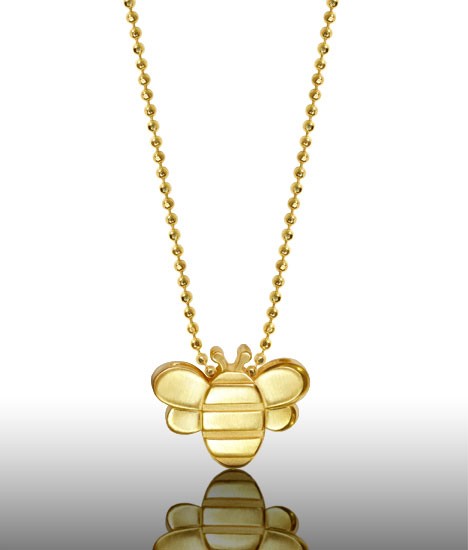
So, I saw on Sherri's Sweet Life a video post that I traced back to Help the Honey Bees, a site sponsored by Haagen-Daz.  The free screen saver has me longing for spring, and proceeds from t-shirt sales helps fund research. A variety of informational articles and inspirational projects, such as one boy's effort to get the Boy Scouts' beekeeping merit badge reinstated are also on the site. (For an update on his efforts, read this post by blogger Robo's World.)  There's information on planting a bee-friendly garden and current research going on at Penn State. If you like bees in theory more than in reality and you have some money to spend, you can get a silver, gold, or diamond-studded bee necklace from Alex Woo Jewelry.

Image from Alex Woo Jewelry. Too cute!  All you gazillionaires out there, feel free to buy me one!

Wednesday, January 26, 2011

A Brief History of Honey Extraction

Barbara, a Canadian beekeeper and blogger, often has educational posts relating to the history of beekeeping. Her recent post on extractors shows how recently extractors were developed (around 1869).

It also reminds me that we need to invest in an extractor or find a local beekeeper who'll let us use his equipment in exchange for part of our harvest. 

Image via SmallFarmSK.

Monday, January 24, 2011

The Impact of Pesticides

Blogger and beekeeper Richard Underhill lives "next door" in Arkansas, and is a philosophical sort of blogger.  His post on the impact of the broad spectrum pesticides sprayed this past summer in his area (and likely in MS too, as I heard about the Army worm infestation) makes me wonder how we can get everyone to work together rather than everyone looking out for their own good.